PhD-Level Tips for Writing a History Book That Isn’t Boring
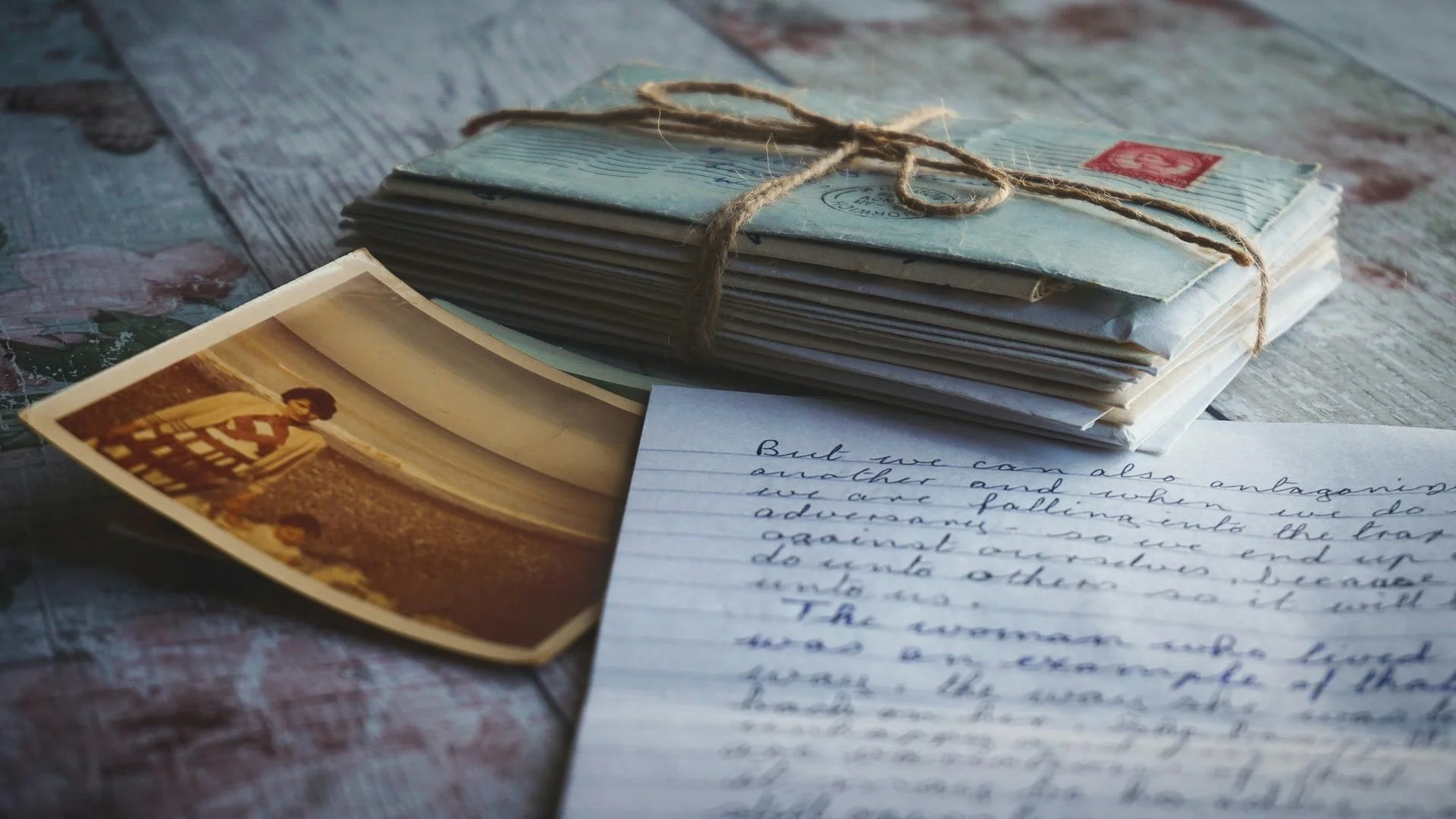
You know that feeling when you’re deep in the archives—the smell of old paper, the thrill of finding that one elusive letter in a box at the archives hat changes everything. It’s exhilarating. But when you sit down to write your US history book, biography, military history, etc., all too often that excitement feels buried under a mountain of names, dates, and footnotes.
If you’re struggling to turn your meticulous research into a book that readers actually want to finish, you’re not alone. Many historians, especially those writing for general readers, get stuck trying to balance academic rigor with “unputdownable” storytelling.
I’m Daniel Tortora, and for over a decade, I’ve been nonfiction authors’ “secret weapon” 🥷. As an editor and book coach with a PhD in history from Duke University and two traditionally published, award-winning books of my own (Fort Halifax and Carolina in Crisis) I’ve spent years squinting at scanned documents and turning archival discoveries into page-turning prose.
How do you bridge the gap between “dry research” and a “riveting narrative”?
Here are seven quick tips for doing exactly that.
1. Stake a Central Claim Early
A strong history book needs a single sentence that stakes an argument—a central claim that serves as a lens for every chapter and focuses your research. When you are writing a history book, you should state this argument early in the introduction. Clearly identify the historiographical gap or puzzle your book addresses, explaining why the topic matters and why it matters right now.
2. Choose Your “Flavor” of History
Before you write a single word, you need to know what kind of history book you’re actually creating. Is it writing narrative history that emphasizes plot, character, and causal momentum?. Or perhaps you are writing a popular history that prioritizes clarity, pacing, and big ideas for a broadly accessible audience. Knowing your genre conventions helps you decide what to keep and—more importantly—what to leave out.
3. Always Write from an Outline
I can’t emphasize this enough: An outline is a must. I’ve seen seasoned scholars “wing it” for months, only to end up with a narrative that is repetitive and full of tangents. A good structure ensures your message is clear and makes you appear more confident, competent, and credible to your readers.
Take the guesswork out of your structure.
Stop winging it! My History Book Outline Template provides a professional, chapter-by-chapter blueprint designed by a Duke PhD to help you organize research and structure a publishable manuscript. It also includes guidance for formatting footnotes and bibliographies, and more tips on what makes a great history book!
4. Treat Chapters as “Short Articles”
Think of each chapter as its own argumentative unit. Each should have:
A Chapter Hook: A vignette, quote, or flash-forward that grabs attention immediately.
A Thesis: What is the main point of this chapter?
Momentum: Use the story arc to move the reader toward a climax and resolution.
Foreshadowing: End by hinting at what’s next so the reader is eager to continue.
5. Learn the Art of “Detail Culling”
Mark Twain once said a successful book is not made of what is in it, but what is left out of it. You cannot use every single detail you found in the archives. If you’re writing a biography, your focus should be on weaving archival depth into a life story that explains broader social or political change, rather than cataloging every mundane event. If a detail is fascinating but doesn’t serve the narrative flow, move it to an appendix or save it for a future blog post.
6. Pacing is Everything
A riveting narrative needs peaks and valleys.
Speed up during moments of tension, crisis, or triumph.
Slow down during pivotal scenes to convey the emotional response of the people involved.
Vary your sentence structure to avoid monotony; readers shouldn’t feel like they are listening to a robot.
7. Balance Narrative and Analysis
General readers want a story, but they also want to know why it matters. Don’t just lay out the facts; let readers into the mind and soul of your subjects. All well-written history books find that sweet spot by using scenes and anecdotes to engage readers while always tying those stories back to analytical claims and evidence.
Transform Your Manuscript with a Pro
If you’re thinking, “I need an outside set of eyes to make this sound better,” it’s time to call in backup.
I’m here to help you cross the finish line. I’ve edited over 13 million words and guided dozens of American authors to the top of the Amazon rankings. Let’s make your history book sing! 🥂.
Whether you need help with an outline, some concrete suggestions and next steps, or think things are going well and it’s time for a final tune-up or some publishing guidance, let’s talk!