Writing a Sports Biography That Readers Love
Most readers do not pick up a sports biography because they want to know who won the game.
They want to understand the person who played it.
The final score, championship trophy, and record-breaking statistics may attract a reader’s attention, but they rarely sustain a book-length narrative. What keeps readers turning pages are the struggles, sacrifices, rivalries, setbacks, and defining decisions that shaped an athlete’s life.
The best sports biographies do more than chronicle athletic achievements. They reveal character under pressure. They show how athletes respond to failure, success, criticism, injury, fame, and personal adversity. They help readers understand not only what happened but also why it mattered.
Whether you are writing about a Hall of Fame legend, an overlooked pioneer, or a local sports hero your job is not to create an encyclopedia. Your job is to tell a great story.
Understanding that distinction is what separates a sports biography that merely informs from one that readers remember long after they finish the final chapter. Let’s look at how to move beyond box scores, structure a sports biography, and craft a manuscript that keeps readers engaged from the first page to the last.
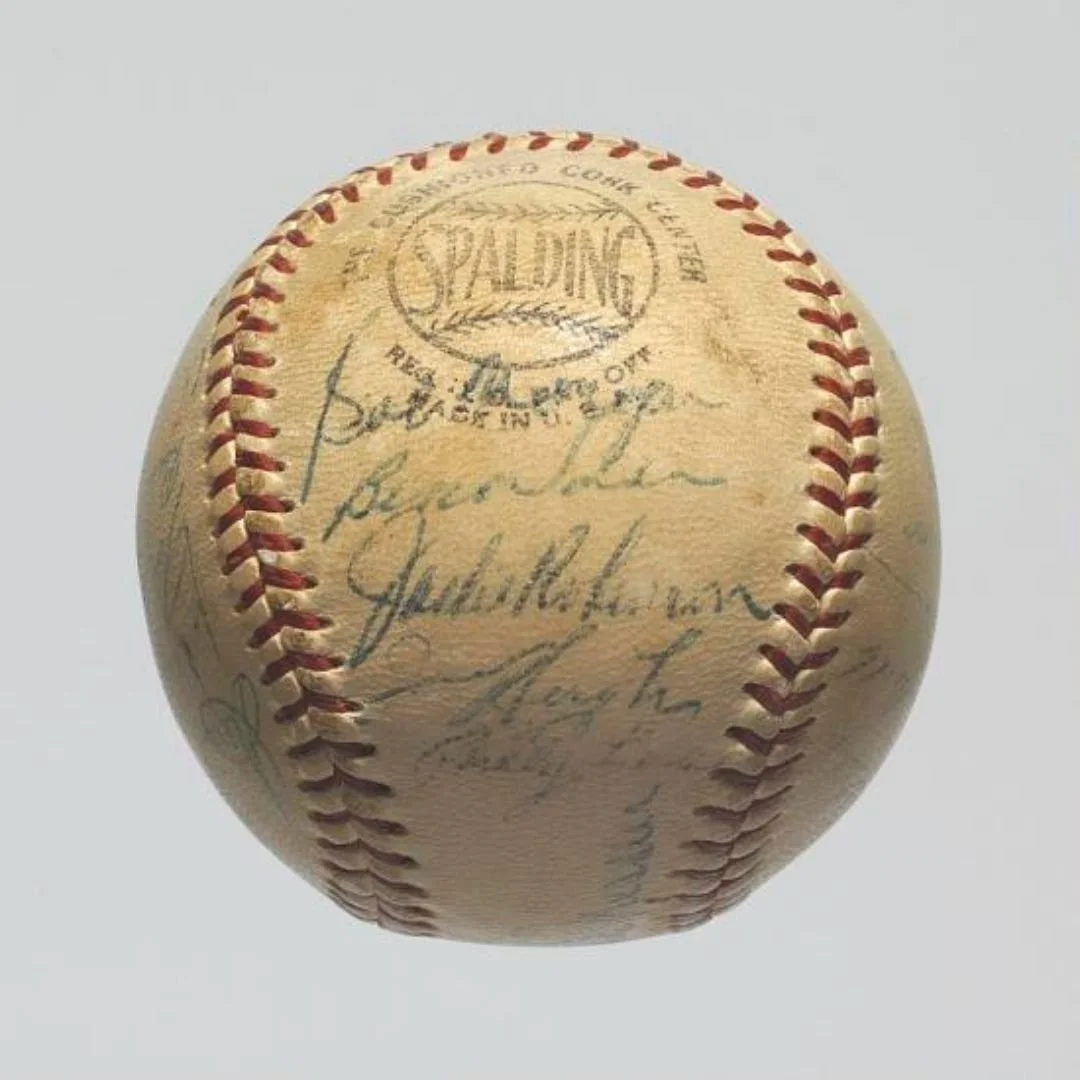
Why Most Sports Biography Books Fall Flat (and How to Fix Them)
Why do so many manuscripts about sports figures fall flat?
The main reason is that authors confuse statistical documentation with storytelling. Box scores and season statistics are easy to find online. A reader who wants to know how many points a basketball player scored in December 1992 can check a database in five seconds. They do not buy a 300-page book to read a printed table of numbers.
Readers pick up the best sports biography books because they want emotional access to an extraordinary life. They want to experience the pressure of competing in front of fifty thousand screaming fans. They want to feel the weight of a painful loss, the anxiety of a career-ending injury, and the joy of a hard-won victory.
In coaching nonfiction authors and in editing biographies of Olympians, Hall of Famers, and unsung heroes alike, I say that a great sports biography does not just inform; it connects. The goal is not merely to inform readers but to make them feel something. When you connect historical facts to genuine human feelings, your narrative shifts from a dry chronicle into an unforgettable story.
The best sports books treat their subjects as complex human being operating within specific cultural moments. The games serve as the dramatic backdrop, while the internal struggles drive the story forward.
If your manuscript reads like an extended Wikipedia entry or an almanac, it is time to pivot your approach.
5 Steps to Writing a Sports Biography That Stands Out
To write an engaging biography that captures readers, follow these five core principles during your research and drafting process:
1. Identify the Core Theme and the Central Question Beneath the Trophies
The Core Theme of Your Sports Biography
Every great sports biography revolves around a central theme and a central question. Together, they give shape and meaning to a life story. Is your book about the psychological toll of perfectionism, overcoming poverty, systemic discrimination, physical disability, family reconciliation, or early fame?
Define this theme before creating your book outline. When you know your theme, deciding which moments deserve detailed coverage becomes much easier Instead of walking readers through every minor event in sequence, your theme helps you make sense of the life story for them. If a specific game does not advance your theme or reveal character, summarize it in two sentences or leave it out entirely.
To test your theme, try writing a one-sentence summary that explains what your book is truly about without mentioning sports statistics. For instance, instead of describing a manuscript as “a book about the 1988 championship basketball team,” frame it as “a study of how sudden wealth and national spotlight strained a tight-knit coaching staff.” Having this sharp thematic anchor keeps your writing focused whenever you feel tempted to include irrelevant play-by-play recaps.
The Question That Drives the Biography
Many successful sports biographies are built around a central question.
While a theme gives your book emotional focus, a question gives it narrative momentum. It creates a sense of inquiry that encourages readers to keep turning pages.
For example, a biography of an elite quarterback might explore the question: What drove this athlete to pursue perfection long after they had achieved success? A biography of an Olympic champion could ask: What personal sacrifices were required to reach the top of the sport? A book about a controversial athlete might investigate: How did extraordinary talent coexist with self-destructive behavior?
Notice that these questions cannot be answered with a box score.
As you conduct research, use your central question as a filter. Every interview, newspaper article, game recap, and anecdote should help illuminate the answer. When evaluating whether to include a story, ask yourself whether it reveals something meaningful about the question at the heart of the book.
Many beginning biographers assume they are simply documenting a life. In reality, the strongest biographies are investigations. The author gathers evidence, weighs competing viewpoints, and gradually helps readers understand what made this individual who they were.
You do not need to state the question explicitly on the page. In fact, many great biographies never do. But you should be able to write it in a single sentence for yourself before you begin drafting.
If you cannot identify the central question driving your manuscript, chances are your narrative will drift toward chronology instead of meaning. Readers will learn what happened, but they may never understand why it mattered.
Once you know both the theme and the central question driving your manuscript, your research becomes far more focused and purposeful.
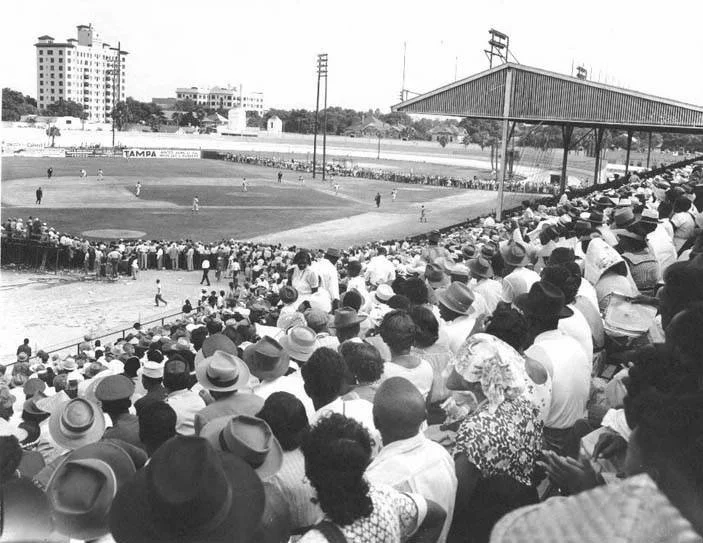
2. Dig Into Primary Sources and Uncovered Archives
Relying exclusively on secondary sources often produces a stale manuscript. Readers notice when an author simply repackages information from older biographies.
Look for primary source materials such as:
Private letters, diaries, and unpublished memoirs
Court records, contract negotiations, and business ledgers
Local newspaper archives from the athlete’s hometown
Fresh interviews with teammates, rivals, coaches, family members, and equipment managers
In-depth research reveals small, revealing details that bring a narrative to life. Learning what an athlete ate before a championship game or what music they played in the locker room grounds your scene in reality.
When conducting fresh interviews, look beyond headline star athletes and seek out peripheral witnesses. Equipment managers, athletic trainers, childhood neighbors, and bench players often remember candid, unvarnished anecdotes that hall-of-famers leave out of official media guides. These perspectives often provide the details that distinguish a biography from a collection of press clippings.
3. Recreate Key Moments with Cinematic Pacing
When you reach a pivotal moment in your subject’s career, such as a championship final or a career-threatening injury, slow down the narrative pacing. Build tension by treating the event like a scene in a novel.
Use sensory details to establish the setting. Describe the smell of the locker room, the glare of the stadium lights, or the tension on the sideline. Use short, crisp sentences during action sequences to mirror the speed of the contest.
Then, immediately shift inward to evoke an emotional response. Reveal what the athlete was thinking and feeling in that high-pressure moment. That balance between external action and internal emotion keeps readers invested in the outcome.
Effective pacing also means knowing when to zoom out after a major dramatic scene. Once a high-stakes championship game concludes, give your readers room to breathe by transitioning into reflective dialogue or analytical summary. Alternating between fast-paced athletic action and quiet, introspective moments establishes a rhythmic reading flow that prevents reader fatigue across long chapters.
4. Avoid Hagiography When Writing a Famous Sports Person Biography
Hero worship ruins sports writing. When an author treats their subject as an infallible saint who never made a mistake, the narrative loses credibility.
Every athlete is a real human. Real humans are flawed. They lose their tempers, make poor financial decisions, struggle with relationships, and sometimes act selfishly. Documenting an athlete’s mistakes, controversies, and personal shortcomings does not diminish their legacy; it makes them relatable.
Readers respect biographers who approach their subjects with objective fairness rather than blind fandom. Addressing personal flaws requires empathy rather than cheap sensationalism. Present controversial decisions or interpersonal conflicts with historical fairness, letting readers draw their own conclusions based on documented evidence. Showing how an athlete wrestled with their mistakes, sought forgiveness, or failed to make amends creates the genuine psychological complexity that distinguishes a memorable biography from a promotional puff piece.
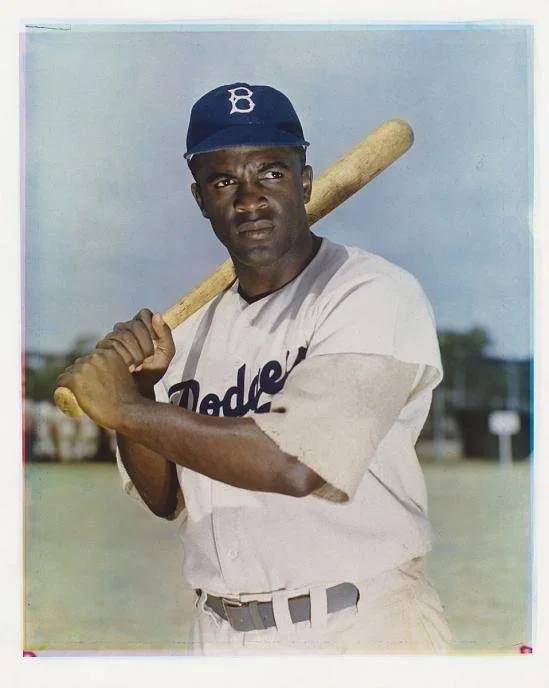
5. Establish the Cultural and Historical Context
When you write on sports, your subject cannot exist in a vacuum. The era in which they played shaped their opportunities, media coverage, financial compensation, and public perception.
When writing about sports figures from past decades, weave historical context directly into the narrative. Show how global events, social movements, labor disputes, and technological changes influenced the sports world. If you are profiling an athlete from the 1960s, explore how civil rights issues affected their experience in the sport. If you are writing about a contemporary figure, examine how social media, sports gambling, or multi-million-dollar endorsement deals affect their daily life. Context transforms a simple sports book into a broader work of cultural history.
Connecting personal athletic struggles with wider historical forces gives your manuscript lasting intellectual weight. When readers understand the economic conditions, media pressures, and social norms of the era, every victory and defeat carries greater significance. This rich contextual grounding attracts non-sports fans who enjoy reading history and social commentary.
Structuring Your Sports Biography
Organizing a life story can feel overwhelming when decades of material compete for your attention. Nonfiction authors usually choose one of three structural approaches for biography manuscripts:
Strict Chronological Structure: This traditional approach traces the subject’s life from childhood through retirement and legacy. It works well when the subject’s early life directly explains their later achievements.
Thematic Structure: This method groups chapters around major ideas, relationships, or career phases rather than strict calendar years. You might devote a chapter to the subject’s relationship with their primary rival, followed by a chapter examining their business ventures.
The Keyhole Structure: This framework opens with a dramatic, pivotal moment in the athlete’s career, like a championship game or a public crisis, and then loops back to explain how they arrived at that moment.
Whichever structure you select, keep your chapter lengths consistent. In sports nonfiction, chapters ranging between 3,500 and 5,000 words maintain solid narrative momentum.
Put the Polish on Your Sports Biography
Writing a sports person biography takes patience, rigorous historical research, and careful structural planning. Moving beyond box scores and focusing on character development demonstrates respect for the craft.
Once you complete your initial draft, the real work begins in the editing phase. Every writer develops blind spots when living with a manuscript for months or years. You might know your subject’s career so intimately that you skip essential context, or you might linger too long on secondary anecdotes that slow your narrative momentum.
Working with a professional developmental editor can help you identify structural weaknesses, eliminate repetitive game recaps, and refine your prose style. Working with a professional copy editor applies the fine precision and consistency to your grammar, spelling, punctuation, capitalization, and more. It’s absolutely worth having a human set of eyes. (See my editing services here.)
Turn Your Sports Research into a Page-Turning Biography
Gathering interviews, statistics, and archival research is exciting, but assembling those materials into a compelling narrative is where many biographers struggle. The challenge is not collecting information. It is deciding what belongs in the story and shaping it into a narrative that readers cannot put down.
Get instant access to the History Book Outline Template. You will receive downloadable Word and Google Docs files with chapter blueprints, narrative arc strategies, and Chicago Manual of Style formatting tips so you can start writing today.