Writing a Family History with the Help of an Editor: Ryan’s Story
Writing a narrative family history is a craft as much as a research project. Beyond gathering genealogical materials, authors must shape decades of findings into a readable, character‑driven story that keeps younger generations engaged.
That’s where expert guidance becomes invaluable. An experienced nonfiction editor and book coach provides hands‑on guidance so you avoid trial‑and‑error delays and move from overwhelm to a polished, legacy‑ready manuscript.
Here’s what book publishing looks like from the perspective of one of the authors I’ve worked with.
What a nonfiction editor for a family history book does

For narrative family history
Structural and voice shaping: Guidance for shifting from technical or academic writing into a warm, character‑driven narrative.
Narrative tightening: Strengthening continuity and flow and relocating sentences or paragraphs as needed.
Style and convention guidance: Applying Chicago Manual of Style (18th edition) conventions for dates, punctuation, image captions and speculative language.
Production and indexing support: Expert advice on visuals (maps, infographics, QR codes) and professional indexing practices.
➡️See Editing Services and Book Coaching options for Family History Books
Case study: turning engineering reports into a polished family legacy
The author: Ryan, a retired research and development engineer and “scholar‑practitioner” of genealogy writing his first narrative family history tracing his paternal grandfather’s family line Mennonite communities in Europe to post-World War II Kansas in his book Faith & Family.
The transformation: From a technical, report‑like draft to a polished 20,000‑word narrative—and a repeatable formula for future books.
The challenge: Ryan had years of deep research, but his manuscript felt too much like an engineering report. Continuity, voice, and the leap into storytelling felt daunting.
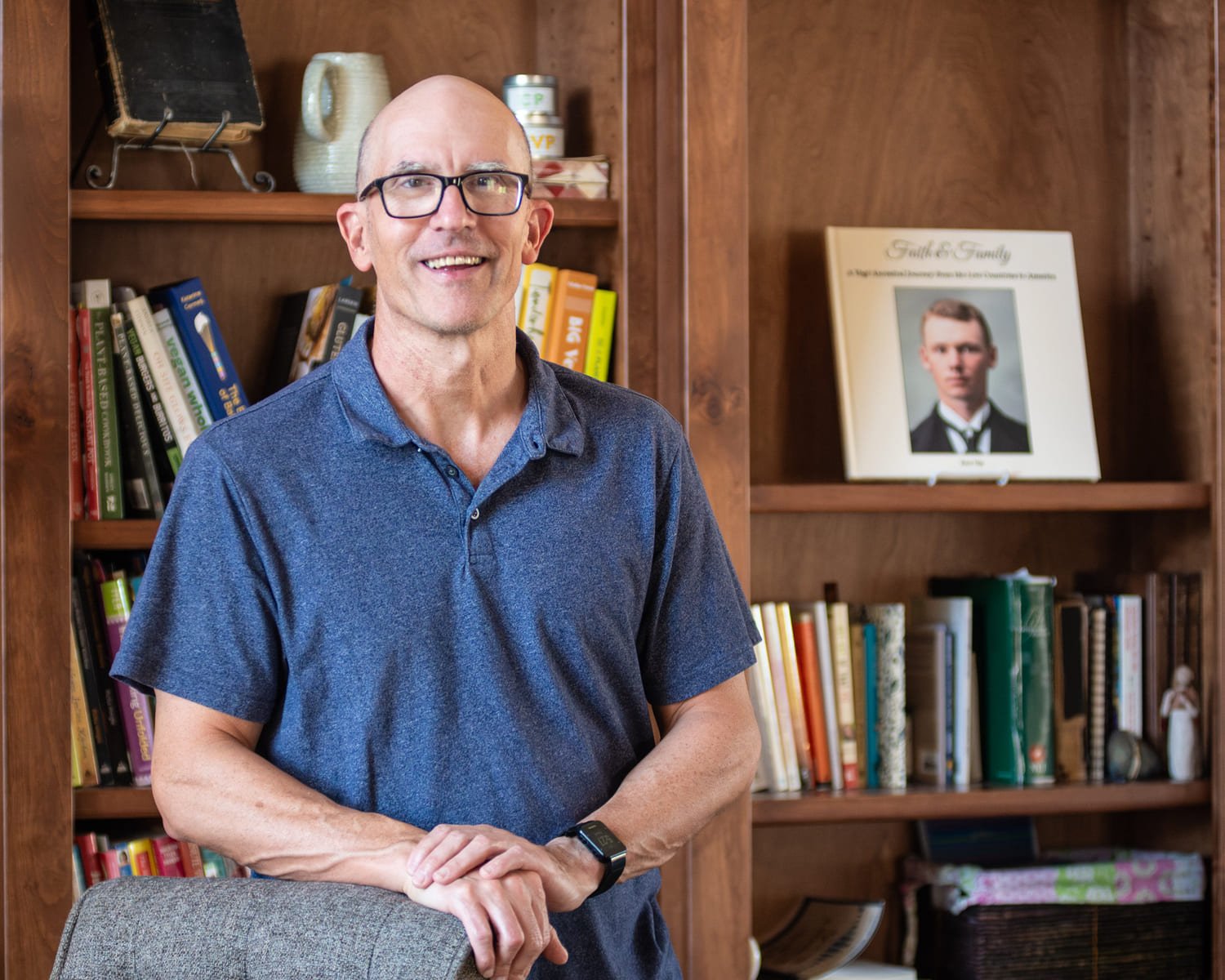
What Ryan said
“Daniel was a life-saver. He distilled his years of historical and editorial expertise into precise, transformative feedback that saved me from endless trial and error.”
“Giving my Dad this present for his 84th birthday in early May fulfilled all my hopes and expectations formed while writing the book.”
Results
Engaging Storytelling: A transition from dry technical reports to a narrative that “humanizes” ancestors and appeals to younger readers.
Professional Polish: Full alignment with the Chicago Manual of Style, including precise indexing conventions like word-by-word sorting and proper en dash usage.
A Scalable Formula: Confidence and a framework to write a planned series of four to eight future family history books.
Sound Investment: The collaboration was a “tremendously sound investment” for both the current book and those to follow. (Ryan also created a companion website for his book.)
As Ryan put it
“At a stage where I was bogged down by conventions and losing momentum, Daniel... kept me from settling for anything less than excellence.”
What it was like to work with a publishing coach
“Daniel made it seamless, with positive and encouraging advice at every turn. Thanks to our collaboration, my first draft is now a polished, engaging legacy for future generations.”
Ryan noted that the editing process was thorough and encouraged a “warm and character-driven” tone that made his book more human and more engaging. He liked the comments that helped him make the book more relatable (such as comparing his ancestors’ marriage ages to median marriage ages in 1930, or noting how much someone’s wages equated to today’s dollars).
Start here
Digital download: History Book Outline Template (chapter structure, titles, writing tips, formatting guidelines)
Get expert help: See Coaching Sessions and Packages for Family History Books
Key takeaways for authors
Ryan’s experience offers several lessons for others considering a coach or editor:
Expert guidance bridges the gap. Transitioning between genres (like engineering to narrative) requires insider knowledge to master new conventions.
Structure sustains interest. Moving technical data to appendices allows the core story to shine for a general audience.
Precision matters. Professional touches, from Chicago Manual style to proper indexing, elevate a book from a hobby project to a “polished legacy.”
Collaboration builds confidence. Having a guide provides the “formula” needed to turn a one-off project into a long-term writing practice.
Expert structural feedback and technical precision turned a “daunting leap” into a seamless process. The collaboration ensured that decades of research became an inspiring legacy rather than a forgotten “data dump.”
If you’re looking to invest in practical guidance shaping your family history into an engaging and polished narrative, a History Book Outline Template, The Best Books on Writing a Family History Book, a Coaching Session, or Editing may be in your future!